





















The year at a glance
The year at a glance


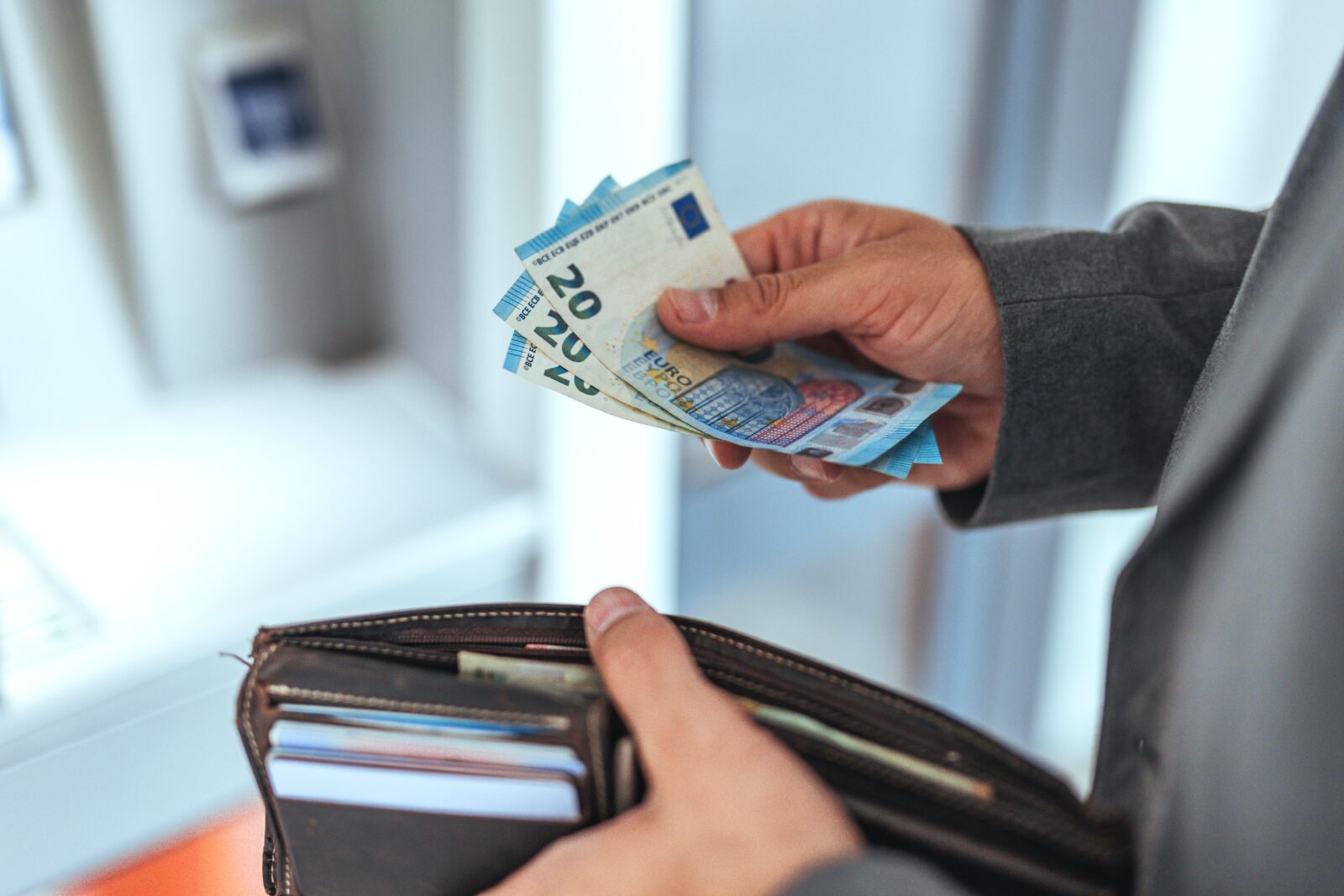
300,004,348
Number of cash payments


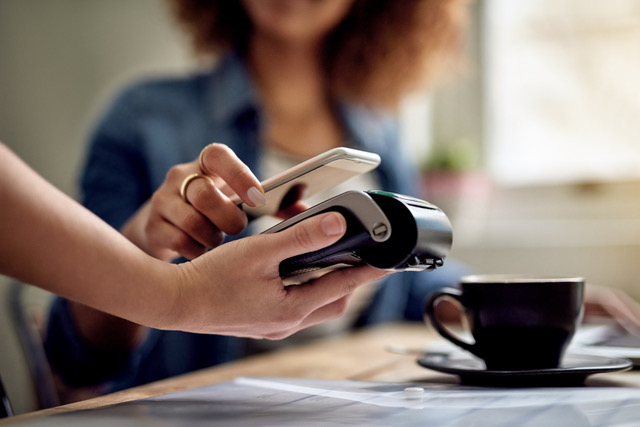
600,239
Number of debit & credit card payments at points-of-sale

347,000,000
Number of e-commerce transactions

1,560,000,000
Number of iDEAL payments








Farewell Conference for Gijs Boudewijn
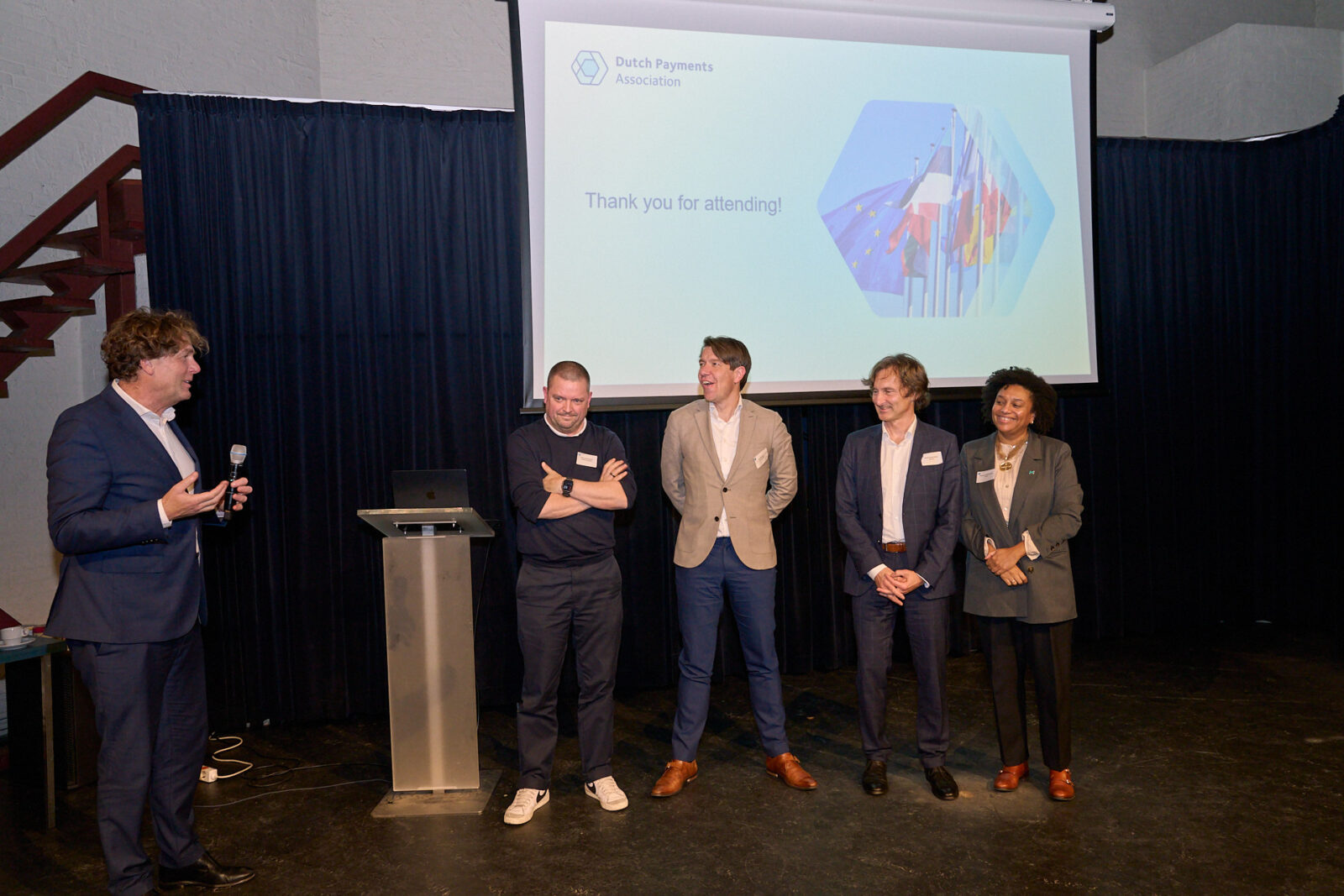
On May 15, 2025, the Royal Tropical Institute in Amsterdam hosted a farewell conference for Gijs Boudewijn as CEO of the Dutch Payments Association. Speakers, including Inge van Dijk and Martijn Snoep, reflected on collaboration in the payments sector. Chairman Gottfried Leibbrandt expressed his appreciation and presented Gijs with a lifetime achievement award.

New CEO takes the helm
During the farewell conference, Gijs Boudewijn symbolically handed a baton to Arjan Bol, who is the new CEO since April 1, 2025. This marked the beginning of a new phase for the Dutch Payments Association.

Publication of Roadmap 2025–2027
The Roadmap 2025–2027 (externe link) was also published, setting the course for the coming years. Key themes include ubiquitous Instant Payments, the role of cash, and European developments such as eIDAS and digital direct debit mandates.

Numerous consultations and payment services legislation
In 2025, we responded to various European and national consultations and bill proposals. We provided members with expertise to interpret and apply new rules, with a focus on safe and efficient payments.

Significant steps taken toward accessible payments for consumers
On May 27, 2025, the Accessible Banking program presented a joint plan (externe link) to make banking and payments more accessible. Together with partners, we are working on sustainable, local support toward 2030, including through “Hulp Dichtbij.”
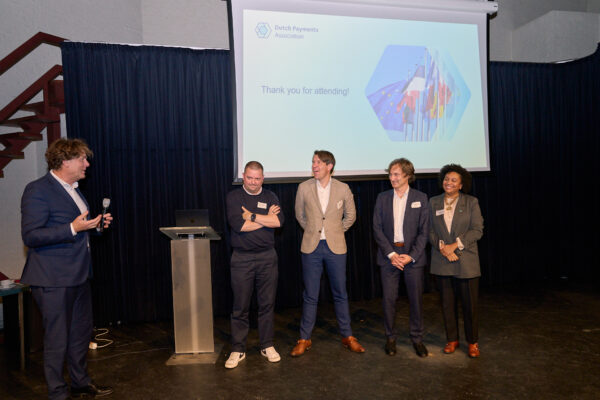
Conference on European sovereignty in payments
On November 6, 2025, we organized a conference on European payment sovereignty. The afternoon focused on cross-border interoperability. Speakers included Ivo Broeren (EPI Company), Monica Campagnet (Bizum), Baard Slaattelid (Vipps MobilePay), and Michal Szymanski (Blik), who explained their European payment initiatives.

59
Number of members

16
Number of events

4
Number of newsletters

5
Number of board meetings

11
Number of advisory board meetings

86
Number of other organised meetings


Foreword by Arjan Bol
Foreword by
Arjan Bol
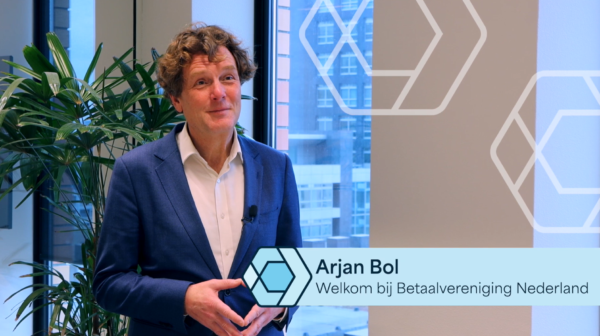
The accompanying video can be viewed in the web version of this report.
Payments are the blood stream of our economy and therefore often functions like a public utility: everyone relies on making and receiving payments safely and without disruption. That is less self-evident than it seems. Due to the large number of participants, extensive laws and regulations, high quality standards, advancing technology, and enormous transaction flows, the payment system is complex and constantly evolving.
Our members provide payment services in the Dutch market and sometimes beyond. The Dutch Payments Association organizes and coordinates collective tasks within the national payment system. We strive for efficient, secure, reliable, and accessible payments.
The Payments Association manages shared responsibilities for infrastructure, standards, and product features, and coordinates with the Dutch Banking Association (NVB) and the Association of Payment Institutions in the Netherlands (VBIN) as needed.
Although European standards within SEPA are leading, national cooperation remains essential. Within our association and through the National Forum on the Payment System, chaired by De Nederlandsche Bank, we work to resolve bottlenecks. The Dutch payment system ranks among the world’s best, and our members continue to improve it, to maintain that position.
Our website contains more information about our field of activity, our tasks, our products, our partners, and our history. You can also sign up for our Betaaljournaal newsletter. Our ambitions are outlined in the Roadmap 2025-2027.
On behalf of,
Arjan Bol, Managing Director
Report from the Board
“The current times call above all for joint efforts to strengthen the resilience, autonomy, and accessibility of the payment system”
Gottfried Leibbrandt, Chariman

I am proud to present to you the fourteenth annual report of the Dutch Payments Association, covering the year 2025. Together with its members, the Dutch Payments Association has been unwaveringly committed to reliable, secure, accessible, and affordable collective payments since its inception. What has changed are the efforts required to achieve this: the current era calls above all for joint efforts to enhance the resilience, autonomy, and accessibility of the payment system. Not long ago, for example, the focus was on promoting electronic payments. In this way, the Association adapts to what expectations and circumstances demand of us. The involvement of stakeholders in how payments evolve remains just as important, as does our engagement with broader developments in European payments. In this annual report, you will find a more detailed description of our efforts and activities in these areas during the 2025 reporting year.
Member meetings and publications
The key facts and figures on collective payments can be found in the fact sheet section of our website. You can also follow us on LinkedIn or subscribe to our Betaaljournaal (externe link, opent in nieuw tabblad). We published four editions of the Betaaljournaal in 2025. We informed members and stakeholders about developments in collective payments and our activities. We also did so during in-person and online member meetings. For the general public, we published six videos and two blogs via Geldland, the accessible information platform on payments.
Board
The Board of the Payments Association has at least nine members, as stipulated in the Articles of Association. There are three independent board seats, including that of the chairperson, and six seats for directors affiliated with the members. In addition, DNB and the Dutch Banking Association attend board meetings as observers. This reflects the fact that the Payments Association, as an association of payment service providers (the supply side), places great value on safeguarding the public interest in payments, including the interests of payment service users (the demand side). During the board meetings, the perspectives of all parties involved in payments can thus be addressed.
During the reporting period, the Board held five regular meetings. In the appendix “Board and Management” you will find more information about the composition of the Board. The Board has various committees, including the Audit Committee, the Remuneration Committee, and the Selection and Appointments Committee.
The Selection and Appointment Committee assesses prospective board members against the board member profile and recommends candidates deemed suitable for appointment to the General Members’ Assembly with a positive recommendation. Based on a decision made by the Board in late 2024, Arjan Bol was appointed Director of the Betaalvereniging effective April 1, 2025. He took over from Gijs Boudewijn, who had reached retirement age.
For the purpose of financial oversight, the Audit Committee meets twice a year, or more often if necessary, although this was not the case in 2025. The two regular meetings are specifically dedicated to the budget and the annual financial statements, respectively.
The Remuneration Committee, which met once during the reporting year, advises the board on various aspects of the association’s compensation policy.
General Members’ Assembly
The General Members’ Assembly approved the 2024 financial statements in May 2025. On the same occasion, both the chairperson (the undersigned) and the board member representing ABN AMRO (Erica Kostelijk) were reappointed for a term of 3 years. The General Assembly also approved a new, long-term lease for the Association’s office space. In November, Jeroen Smakman was newly appointed as a board member representing small banks.
Board, management, and staff
The number of staff remained stable at approximately 20 FTE during the reporting year, with a rejuvenation of the workforce achieved through natural attrition. Since April 2025, the Board has consisted of Arjan Bol, assisted by a three-person management team. Outgoing Director Gijs Boudewijn stepped down effective June 1, 2025.
Finance
The membership capital serves as regulatory capital to ensure that the Dutch Payments Association has sufficient capital and liquidity available to meet its current obligations (should a decision be made to dissolve the association) and to cover any losses incurred in a given year if membership fees are insufficient to cover costs. The reporting year closed within budget with a positive result. A budget identical to that of the reporting year has been adopted for the year 2026.
Also in this annual report
This annual report is published for the first time as an online report. Following the year in review, we present the most important national and international developments in collective payments. We then specifically highlight our own activities in 2025 about point-of-sale payments, online payments, electronic payments, availability, and security. In the final chapter of this annual report, you can read about several other important projects.
Amsterdam, May 7, 2026
Gottfried Leibbrandt, Chairman
Developments in the payment system (1)
Developments in the payment system (1)
Consultations and extensive discussions regarding the Cash Payments Act
Cash (externe link, opent in nieuw tabblad) continues to serve an essential public function within the Dutch payment system. It functions as legal tender, as a reliable fallback option in the event of disruptions to digital systems, and as an important payment method for vulnerable groups who struggle to keep pace with our increasingly digital society. Since 2022 voluntary agreements in the Cash Covenant have been in place to ensure that cash remains readily available, accessible, and affordable for consumers and businesses. Given the social role of cash, the Minister of Finance deemed legislation necessary instead of a covenant.
The Payments Association played an active role by monitoring legislative processes and drafting substantive consultation responses on behalf of the sector. During consultations with the Ministry of Finance and other stakeholders, the Payments Association provided clarification on key issues such as the feasibility of new obligations, the scope of deposit requirements, and the impact of recent amendments on a future-proof cash infrastructure. By combining sector expertise with constructive contributions to consultations, the Payments Association helped shape workable and balanced regulations that reflect both public interests and operational realities.

On February 4, the Cash Payments Act (externe link, opent in nieuw tabblad) (link in Dutch) was adopted. The law stipulates that banks must continue to provide an easily accessible and affordable cash infrastructure, including a nationwide network of ATMs and free withdrawal and deposit options for private individuals.
Significant steps toward revised and expanded payment services legislation
In the summer of 2023, the European Commission published two legislative proposals (externe link, opent in nieuw tabblad) (link in Dutch) to replace PSD2 (Payment Services Directive 2): the new Payment Services Directive (PSD3) and a Payment Services Regulation (PSR).
The legislative proposals have various objectives, the most important of which are:
- Strengthening consumer protection;
- Improving enforcement and implementation of obligations in Member States;
- Improving access to payments and bank accounts for non-bank PSPs;
- Improving the competitiveness of open banking.
European lawmakers made significant progress in the legislative process in 2025. Following the publication of the legislative proposals, the Council of the European Union (“the Council”) and the European Parliament took the lead. They reviewed the proposals and subsequently formulated their own positions. In June, the Council completed this process (externe link, opent in nieuw tabblad), following the European Parliament’s completion of this (externe link, opent in nieuw tabblad) in April. Negotiations between the three co-legislators, the so-called “trilogue”, then began. In November, they reached a political agreement (externe link, opent in nieuw tabblad). The legislative texts will be finalized in early 2026, after which the industry can begin preparing for the new obligations.
The Payments Association is monitoring developments together with the PSR Task Force and providing input where necessary. In addition, close contact is maintained with the European Banking Federation and other European umbrella organizations in Brussels.


Expansion of Instant Payments and Introduction of Verification of Payee
Last year marked an important milestone for expanding the availability of Instant Payments. European legislation (externe link, opent in nieuw tabblad)required banks to be able to receive Instant Payments in euros starting in January 2025 and to be able to send this type of payment starting in October 2025. This makes it possible for all citizens, businesses, and institutions with a payment account in the European Union or the European Economic Area to use Instant Payments in euros.
Instant Payments had already been widely available on the Dutch market for several years. For Dutch account holders, the main benefit lies in its availability at the European level: they can now also make lightning-fast transfers to other European countries. In doing so, they can also rely on the IBAN Name Check (externe link, opent in nieuw tabblad). The legislation also mandates the provision of this service. The IBAN Name Check reduces the risk of fraud and customer mistakes.
Although both Instant Payments and the IBAN Name Check had already been introduced in the Netherlands, Dutch providers still had to make adjustments to meet all legal requirements. Furthermore, a number of smaller account providers had to introduce Instant Payments and the IBAN Name Check for the first time. Thanks in part to support from the Dutch Payments Association, the implementation of these requirements was successful.


Instant Payments as a catalyst for innovation
Due to the widespread availability of Instant Payments since 2025, as a result of the Instant Payments Regulation, existing and new payment methods are increasingly able to use Instant Payments as the basis for their payment solutions. This makes sense because of two key advantages of Instant Payments: they are available 24 hours a day, 7 days a week, and the funds are available to the recipient within seconds. Niels Pranger of the Dutch Payments Association wrote an insightful article on this topic (externe link, opent in nieuw tabblad).
In November 2025, the European Commission published a report (externe link, opent in nieuw tabblad) describing the remaining barriers to the use of Instant Payments at the point of sale. The Dutch Payments Association actively contributed to this as co-chair of the group that authored the report. We are also closely involved in the work of the European Payments Council (EPC) to determine what adjustments are needed in the framework governing Instant Payments. The EPC is also investigating what additions to the IBAN Name Check are desirable.
European consultation on the payment system
In 2025, the Dutch Payments Association remained involved in various developments in European payments. Dutch banks are at the forefront of introducing and offering modern, secure, and customer-friendly payment methods. This year, the Dutch Payments Association shared various early Dutch experiences and insights with European working groups, committees, and new regulatory bodies. In doing so, we ensured that the interests of our members and of Dutch consumers and businesses were well represented.
Our role in the European Payments Council (EPC) regarding European operational payment standards is particularly significant. Our participation in discussions and consultations at the European level contributed to the development of reliable, accessible, and secure new payment solutions.
Geopolitical shifts also called for improvements in global payment flows to and from the EU. Expanding European SEPA standards to payments across EU borders will increasingly demand our attention and commitment in the coming years.
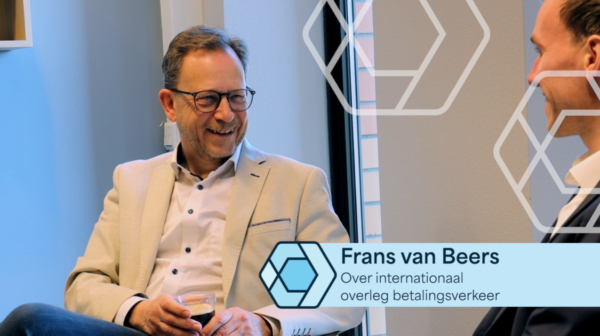
Response to the revised Consumer Credit Directive
The introduction of the revised Consumer Credit Directive (Consumer Credit Directive II, abbreviated CCDII) in 2025 required thorough substantive preparation within the sector. The Dutch Payments Association played a pivotal role in this. We coordinated the CCDII Expert Group and supported members in assessing the impact on areas such as creditworthiness assessments, proportionality, fee rules, and the status of deferred debit cards.
Building on earlier position papers, we further refined the key points and shared them with the Ministry of Finance. We also actively engaged relevant stakeholders such as the NVB, ICS, American Express, and various banks (ABN AMRO, ING, and Rabobank) to consolidate their substantive contributions in a timely manner in the run-up to the consultation. All of this led to a response to the revised directive from the Dutch Payments Association in collaboration with the Dutch Banking Association (externe link, opent in nieuw tabblad) on February 2, 2026.



Developments in the payment system (2)


Developments in the payment system (2)
Accessibility legislation introduced
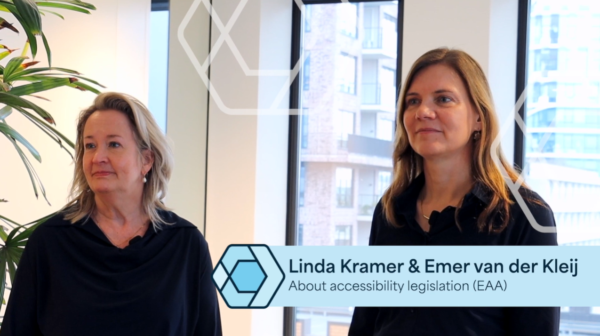
On June 28, 2025, the European Accessibility Act (EAA) (externe link, opent in nieuw tabblad) came into effect. Since then, accessibility has no longer been a voluntary goal, but a basic legal requirement. People with various disabilities must be able to use financial services independently, just like people without disabilities. We issued a press release (externe link, opent in nieuw tabblad) on this topic.
The Task Force (TFEAA) and the EAA Legal Task Force (JTFEAA) of the Dutch Payments Association played a key role in the interpretation and implementation of the EAA within the banking sector. The TFEAA focused on the practical and technical implementation of the law. The JTFEAA addressed legal issues surrounding, for example, product terms and conditions, archiving, and reporting obligations. Both task forces used an issue tracker to resolve ambiguities in a structured manner.
The year was marked by frequent consultations and knowledge sharing. The Payments Association coordinated consultations with the regulators, the Netherlands Authority for the Financial Markets (AFM) and the National Inspectorate for Digital Infrastructure (RDI), regarding, among other things, the interpretation of legal texts and the design of the reporting center for non-compliance. In doing so, it helped the sector clarify the requirements.
A concrete and visible result is the sector-wide information document (Annex V of the Act) through which banks demonstrate how their products and services comply with the EAA requirements. With this, the Task Forces are establishing a uniform standard. The introduction of a standardized URL (www.bank.nl/toegankelijkheid (externe link, opent in nieuw tabblad)) also contributes to transparency.
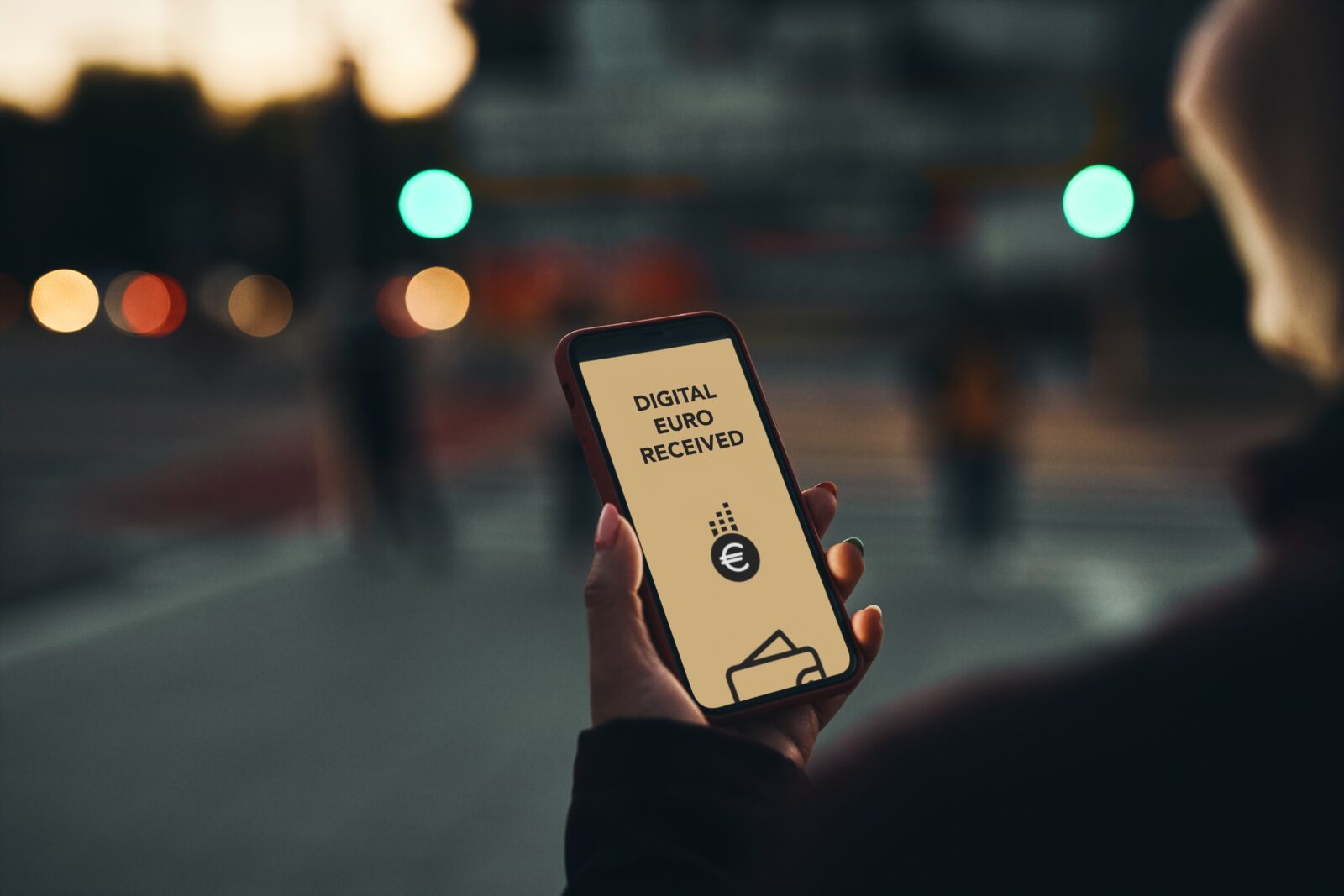
Digital euro
Prompted by the European Central Bank (ECB), the European Commission (EC) has proposed legislation to enable the issuance of a digital euro to citizens and businesses. The bill requires banks to distribute digital euros to their customers. These customers can then use a mobile app or a card provided by their bank to make payments with “public” digital euros.
In 2025, the Dutch Payments Association made efforts to gain insight into the potential impact of the digital euro plans on the payments sector and Dutch payments. We undertook this together with a number of our members, to help them understand the digital euro and to support them in determining their position. Because the outcomes of the legislative process and the technical design for the digital euro are uncertain, we focused primarily on our own members and on DNB as part of the Eurosystem.
Partly due to geopolitical developments, the urgency to establish strategic autonomy and resilience in European payments increased in 2025. It is doubtful whether the digital euro can offer the best solution to these challenges. There are already well-advanced private initiatives that meet these objectives without the risks, high costs, and market disruption associated with the digital euro. Moreover, banks fear that their mandatory efforts for the digital euro will come at the expense of their own innovation and competitiveness.

European Digital Identity
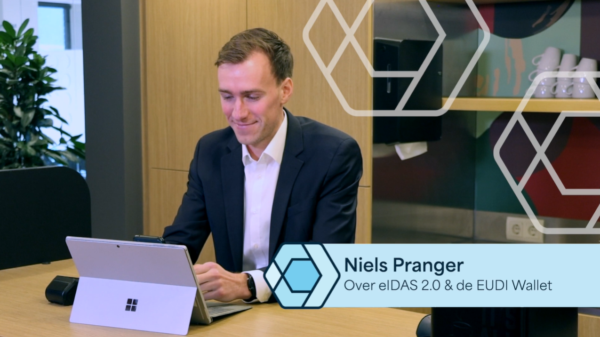
The revised European eIDAS 2.0 Regulation introduces the European Digital Identity Wallet (EUDIW): a digital identity wallet that allows citizens to securely identify themselves (online). They can also use it to store and share digital personal data and documents—such as diplomas and tickets. The EUDI Wallet serves as a digital complement to existing physical identification documents and to DigiD. The Dutch government publishes more information about eIDAS 2.0 (externe link, opent in nieuw tabblad) and the EUDIW (externe link, opent in nieuw tabblad).
For payment service providers, eIDAS 2.0 includes an acceptance obligation: they must accept all recognized EUDI Wallets in processes where strong (online) user authentication is required by law or contract. The EUDIW will therefore play a role in the future when someone becomes a customer of a payment service provider (such as a bank). However, the legislation is unclear about the role of EUDI Wallets in online payments. (externe link, opent in nieuw tabblad) That is why the Dutch Payments Association, together with the eIDAS Task Force, drafted a joint interpretation document (externe link, opent in nieuw tabblad) in 2025 to clarify the impact on payments and the obligations for payment service providers.
The EUDIW offers opportunities for innovation beyond the mandatory use cases. The European Commission is organizing large-scale pilots to further investigate this, such as in the WE BUILD Consortium (externe link, opent in nieuw tabblad), in which the Dutch Payments Association is active. Among other things, WE BUILD is investigating how customer authentication can be performed using an EUDI Wallet during a payment.


Wide range of payment accounts
In recent years, the range of payment accounts has expanded significantly; both banks and electronic money institutions, from within the Netherlands and abroad, are competing in our country for customers’ business. The term “bank account” is therefore now essentially obsolete. To provide greater clarity regarding the evolving range of payment accounts, the Dutch Payments Association has maintained an overview of providers on its website (externe link, opent in nieuw tabblad) since 2025. More than thirty different providers now offer payment accounts on the Dutch market.
Public debate, legislation, and policy regarding payments sometimes lag behind these developments. The Dutch Payments Association works to raise awareness of the diverse range of payment accounts available in the Netherlands through engagement with stakeholders and public communication. The competition this generates leads to better, customer-focused, and innovative payment services that align with the diversity of customer needs in the market.
Cash, cards and online


Cash, cards and online
Payments at the counter
By 2025, little has changed in payment behavior at the counter. As in previous years, approximately 4 out of 5 checkout payments were made by debit card. The number of debit card payments rose only marginally to 5.83 billion (+1.2%). However, debit cards were inserted slightly less often, and contactless payments became more common. Currently, 95% of all debit card payments are made contactlessly using a physical debit card, a smartphone, or a smartwatch.
In 2025, there were 31.4 million card refunds, for example, for clothing that customers returned to stores or for refunding deposits. This total consists of both Dutch “Retourpinnen” transactions and general “card refunds,” which are becoming increasingly common in stores. With the Dutch Retourpinnen system, the customer holds their debit card against the retailer’s payment terminal. With most “card refunds,” this is not necessary, as the required card details can be retrieved from the original payment recorded in the payment service provider’s systems.
By 2025, Dutch banks had further ramped up the issuance of Debit Mastercard and Visa Debit payment cards. By the end of the year, they had replaced more than 20% of Maestro and V PAY payment cards with a new debit card. You can now pay with a new debit card at virtually all Dutch payment terminals.
Our debit card statistics have been a valuable source of insight for members and other interested parties for many years. To ensure the availability of these statistics in the future, we reached agreements with Visa and Mastercard in 2025 and jointly improved the reporting processes. More information and detailed figures are available on PIN.NL (externe link, opent in nieuw tabblad) and our interactive fact sheet. (externe link, opent in nieuw tabblad)
Major changes for online payments on the horizon
The past year marked the run-up to significant changes for online payments. Currence and EPI Company (European Payments Initiative) announced the migration from Dutch iDEAL to the European Wero by 2026.
All major Dutch banks began or continued rolling out updated debit cards from the Debit Mastercard and Visa Debit brands in 2025. Dutch card issuers also began introducing Click2Pay at the end of 2025, making online ordering and paying with a debit or credit card easier and faster.
In 2025, the Dutch Payments Association kept in touch with stakeholders about the announced migration from iDEAL to Wero, through consultations with umbrella and interest groups, amongst others.
The previously successfully completed project led by the Dutch Payments Association to ensure that you can pay with updated debit cards anywhere in the Netherlands was, in 2025, one of the reasons major banks accelerated the issuance of these updated debit cards. Cardholders can also use a new debit card to pay online, which has not been possible until now with the standard V PAY and Maestro debit cards.


Furthermore, in 2025 we helped payment service providers and merchants clarify EU legislation and Mastercard and Visa rules regarding obligations and exceptions for accepting certain types of debit and credit cards.


The Thuiswinkel Market Monitor for e-commerce provides a clear picture of the general development of online payments. At 347 million transactions, the number of e-commerce payments in 2025 was nearly the same as in 2024. Spending declined slightly by 1%, to €35.7 billion. After strong growth during and shortly after the COVID years, online purchases and spending have leveled off.
iDEAL’s share of e-commerce payments declined slightly in 2025, from 72% to 71%. The share of online credit card payments also fell slightly, from 9% to 8%. Klarna and other smaller payment methods were among the gainers.
iDEAL is widely used outside of e-commerce, for example to pay municipal taxes, traffic fines, and personal mobile payment requests (such as Tikkies). In total, iDEAL was used 1.56 billion times during the reporting year, for €157 billion.
The total number of online card payments in 2025, using Dutch credit and (new) debit cards and also outside of e-commerce, amounted to 73.3 million, for a total amount of €6.95 billion.



Account-to-Account payments


Account-to-Account payments
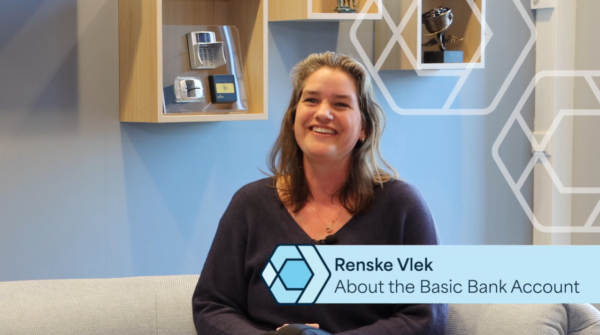
More information about the Basic Bank Account
People who need assistance from a professional support worker to manage their banking affairs may be eligible for a Basic Bank Account. For some, this is the only type of checking account they can hold at a Dutch bank.
Social services play a key role in the context of a Basic Bank Account (externe link, opent in nieuw tabblad). Banks and social service providers must therefore be able to effectively coordinate with one another. In 2025, we participated in various consultations with representatives from courts of law, debt counselors, guardians, mentors, trustees, and revenue managers. During these consultations, we discussed issues and solutions.
One of these issues originated from correctional facilities. Banks regularly received applications for a Basic Bank Account where a social worker from a correctional facility had assisted, and which they had to reject. This prompted a tour of prisons throughout the Netherlands, during which we provided information to over 150 case managers.
Bank Switching Service receives positive feedback
From now on, the Payments Association can report on the Bank Switching Service (externe link, opent in nieuw tabblad) based on ongoing user surveys. Initial results show that users rate this service very positively, with an average rating of 8.7.
In 2025, the Switching Service recorded 42,450 users, slightly below the five-year average of roughly 44,200. In 2025, there were no notable changes or incidents in the payment account market. This may have made people less willing to switch.
The more banks that participate in the Switching Service, the better. That is why it is good news that you can now also use the Switching Service to switch to and from our new member, Revolut.
Both the MOB (National Forum on the Payment System) and discussions with account holders and other stakeholders indicate that a switching service for savings accounts offers little added value. That is why the Minister of Finance told the House of Representatives at the end of 2025 that there is no need to develop and offer such a service.


Our Working Group on Banking Standards Coordination (WCBS) plays a central coordinating role in international standardization by setting priorities, safeguarding Dutch interests, and sharing knowledge and insights within the sector. In doing so, the working group contributes to a coherent national position in international standardization processes.
Standardization in payments
In 2025, standardization within European and global payments was marked by a fundamental overhaul of financial messaging: the revision of the ISO 20022 standard (externe link, opent in nieuw tabblad) for messages between financial institutions.
The improved messaging standard provides more and better information and greater clarity in financial messages. The new standard also facilitates easier reuse of data and broader compatibility with diverse software technologies. The revision also offers better opportunities for the use of Artificial Intelligence (AI) in the exchange of payment data, for example, to detect fraud and money laundering.
In 2025, ATICA version 5 was also finalized, the variant of ISO 20022 for card payments. This will ensure that European and global messaging standards for card payments align more closely in the future.
Furthermore, in 2025, further details were added to standards for digital identity (externe link, opent in nieuw tabblad), QR codes (externe link, opent in nieuw tabblad) for payments, and Central Bank Digital Currencies (CBDC). These standards contribute to a coherent and future-proof digital payment ecosystem.
A joint working group of two ISO committees—one for financial services and one for AI—is addressing AI standardization for the financial sector. This working group is developing international agreements to ensure that financial AI applications are secure, reliable, and interoperable, with a specific focus on their use in critical financial processes.
Other activities from the A2A-payments Working Group
The topics discussed above were addressed in the A2A-payments Working Group. In 2025, the Payments Association made progress on several other A2A-related issues. For example, we completed the exploratory study on the consequences of a potentially mandatory g-account for every regulated temporary employment agency. We did this in collaboration with members that offer g-accounts (externe link, opent in nieuw tabblad) and with the Tax Administration. This study began in 2023 and provides a solid foundation for next steps.
The PNBF (Procedure for beneficiary name and address in Non-Banking Fraud) received significant political attention in 2025. The House of Representatives asked questions regarding, among other things, the use, effectiveness, and lack of awareness of this scheme. In response to MP questions, the Payments Association ensured that members of parliament and ministries were well-informed about the background and operation of the procedure.
At the end of 2025, MKB-Nederland, VNO-NCW, Goede Doelen Nederland, VrijwilligerswerkNL, the Payments Association, and the NVB signed the Covenant to Improve Access to Business Payment Accounts. In addition to various agreements in the covenant aimed at removing barriers, an independent reporting center was intended to provide greater insight into remaining issues regarding the opening of business payment accounts. Despite this covenant, in early 2026 the House of Representatives voted in favor of a legally enshrined right for entrepreneurs to a basic business payment account, and the covenant was suspended.
In 2025, the Dutch Payments Association updated the bank specifications for the Public Administration Collection (externe link, opent in nieuw tabblad), following new policy developments.



Stability and security
Stability and security
 Hardly any disruptions in Point-of-Sale Payments
By 2025, the number of major disruptions in which more than 5 percent of transactions failed had dropped from two to one. In October 2025, a disruption in electronic payments caused delays in transfers between Dutch banks. Card payments in stores and online proceeded normally, and ATMs functioned without issues. The delay affected only electronic transfers, including payroll and benefit payments. The backlogs were fully cleared overnight, and payments returned to normal thereafter.
 Higher availability of internet and mobile banking
The nationwide availability of internet banking and mobile banking is calculated as a weighted average of the availability of individual banks. In 2025, the nationwide availability of internet banking and mobile banking was 99.88% and 99.86%, respectively. This represents a slight decline compared to 2024, when the availability of both services was 99.96%.
Every month, we publish the availability figures (externe link, opent in nieuw tabblad) for internet and mobile banking from seven participating banks on our website.


Security in payments
Security and stability form the foundation of reliable electronic payments. The sector continuously invests in fraud prevention, cybersecurity, and crisis measures, while banks, payment service providers, and merchants—partly due to legal requirements—ensure a robust, redundantly implemented payment infrastructure. As a result, major nationwide debit card outages are rare, although local disruptions due to power, internet, or telecom issues can still occur.
The MOB advisory (National Forum on the Payment System) from May 2025 emphasizes the importance of resilience by advising consumers and point-of-sale institutions to be prepared for up to 72 hours of electronic payments downtime, including by having cash and appropriate fallback options available. Our focus is on further strengthening this digital resilience and limiting the impact of incidents. This allows payments and business operations to continue as much as possible, supported by available digital and physical fallback options.
The PI-ISAC (Payment Institutions – Information Sharing & Analysis Centre)
The PI-ISAC is a collaborative initiative focused on combating fraud and cybercrime in the payments sector. Participants, including payment institutions, banks, the government, and the national police, confidentially share practical experiences and best practices to enhance the resilience of the entire payments sector. In 2025, 22 payment institutions participated in the PI-ISAC.
In November, at the initiative of the NCSC, a meeting was held with all (vice) chairs of the ISACs based in the Netherlands. During this meeting, participants looked back on 2025 by sector and looked ahead to the most important developments, challenges, and opportunities in the cyber domain. A key focus for the future is the need for more intensive collaboration between ISACs from different sectors, including at the operational level.
The NPFF (New Payments Fraud Forum)
The NPFF is a platform where product managers, risk managers, and fraud experts from banks and cryptocurrency companies meet every three months to share confidential information and join forces in the fight against fraud. The primary goal is to strengthen cooperation between banks and cryptocurrency companies and to increase mutual understanding of each other’s processes and working methods. In 2025, 21 institutions participated in the NPFF.
Collaboration across the supply chain
Cooperation between payment service providers, government agencies, and specialized cybersecurity firms—combined with structured knowledge and information exchange—is essential for the security of payments. A significant part of this cooperation takes place within the Information Sharing & Analysis Centers (ISACs), where parties share threat intelligence and jointly address vulnerabilities. The Dutch Payments Association plays a central role in this as chair and facilitator of two of these platforms, thereby strengthening collaboration within the payment chain and further enhancing collective resilience.



Various projects
Accessible Banking Program
In addition to individual banks’ efforts to provide more assistance and make banking services more accessible, in 2025 the banks also collaborated in this area through the Accessible Banking Program. This was often done in partnership with advocacy groups and other partners. The Payments Association oversees the program.
Together, we held 212 informational sessions. Nearly 70,000 people took classes on everyday banking, and millions of Dutch people saw campaign messages across various media. Throughout the year, people received clear information and practical help with their (digital) banking matters. They now know how to get personal support from their bank.
The program was visible during various campaigns via radio, TV, digital displays, outdoor advertising, and in newspapers and magazines. In addition to free workshops offered through the program, our partners—such as DigiHandig, Steffie, SeniorWeb, and Oefenen.nl—provided lessons. We also worked on organizing referral points, particularly in libraries and neighborhood stores.
Read more about the Accessible Banking Program (externe link, opent in nieuw tabblad). There is also a special website, Bankinformatiepunt.nl (externe link, opent in nieuw tabblad)(link in Dutch), for people who have difficulty handling their own banking affairs or who are helping someone else with banking matters.



Digital Inclusion Week
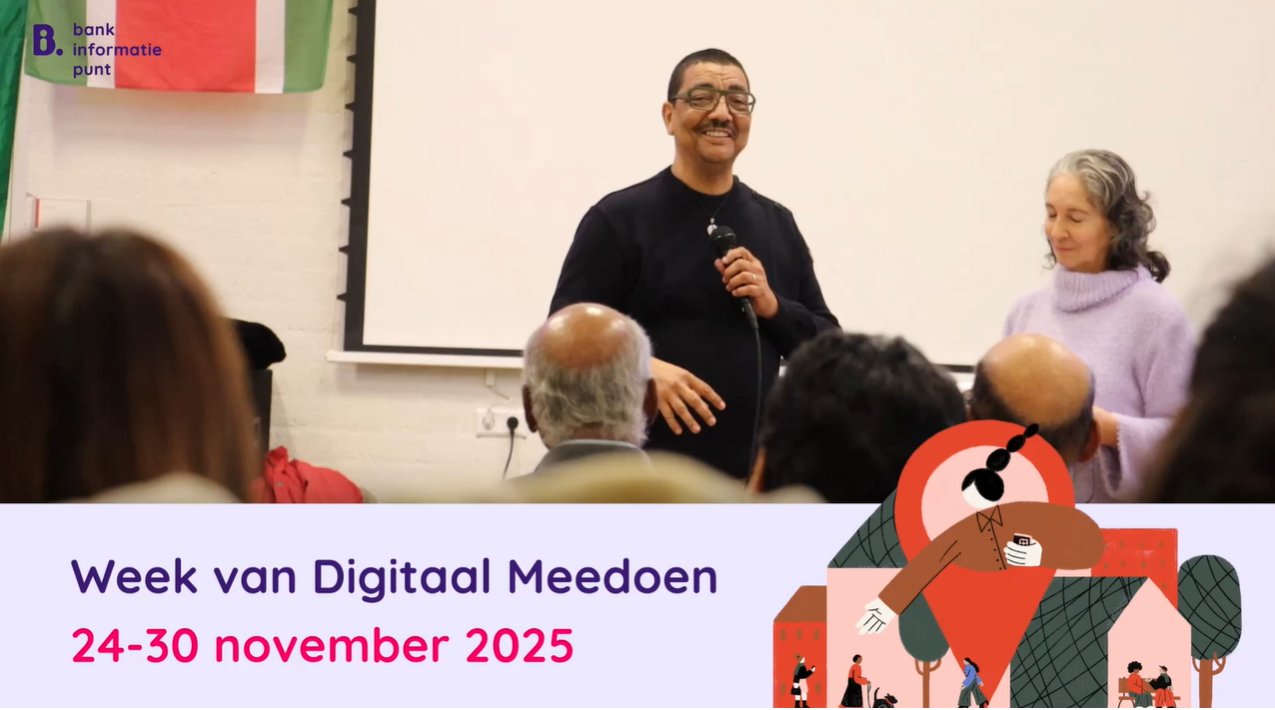
From November 24 through 30, the Netherlands was focused on Digital Inclusion Week. Together with banks, libraries, and community organizations, we organized dozens of workshops and activities to strengthen digital skills. From Click & Tap lessons to walk-in consultation hours and interactive sessions: people across the country could practice banking safely and independently.
Our camera crew closely followed these initiatives and captured the energy and commitment that made this week so special.

Growth and Improvement of Digital Direct Debit Mandates
Since August 2024, the scheme for Digital Direct Debit Mandates (externe link, opent in nieuw tabblad) (‘DIM’) (link in Dutch) has been entirely under the responsibility of the Payments Association. In 2025, further progress was made on the growth and improvement of DIM. The number of digital mandates rose to 1.99 million by the end of 2025, a clear continuation of the growth seen in previous years. Quality also improved noticeably. The success rate improved from 46% in mid-2023 to 70% by the end of 2025. This was primarily due to a better user experience and an improved mobile flow.
The Dutch Payments Association worked closely with banks and Mandate Service Providers. In workshops with them and within the Frictionless Authorization Task Force, the focus was on improving the customer journey and reducing invalid authorizations. In addition, both qualitative and quantitative surveys were conducted among creditors in 2025.
These insights form the basis for a new communication campaign in 2026 to further increase awareness and usage of DIM.
Finally, efforts were made to expand the number of providers. The Dutch Payments Association actively supported interested parties during the audit process and with questions about connection to DIM.
Number of authorizations issued per year
Traveling with a payment card on public transit in 2025
Since 2023, travelers in the Netherlands have been able to check in and out at all public transit companies using a debit or credit card. By 2025, this method of travel had further evolved into a familiar way of traveling. For two-thirds of users, the debit card is now the primary form of transportation. Passengers are positive: OVpay maintains a solid satisfaction score of 8.2.
Transport operators introduced new discount products that can be linked directly to a payment card. A pilot was also completed to test whether products with a fixed travel entitlement (such as unlimited travel passes or discount subscriptions) function properly and securely when used via a payment card. The results were positive, enabling further rollout.
Behind the scenes, additional improvements have been implemented. For example, uncollectible amounts have been further reduced through adjustments to denylisting and optimizations in the processes for collecting overdue amounts. In addition, legal agreements have been made for sharing name and address data in cases of fraud, and the associated processes have been tightened.
These steps have laid the foundation for OVpay’s continued growth in 2026.
European WE BUILD pilots with EUDI Wallet launched
On September 3, the European WE BUILD partnership officially launched, with more than 350 participants from 35 countries. In a “large-scale pilot,” 13 potential applications of the so-called EUDI Wallet are being developed and tested.
WE BUILD stands for “Wallet Ecosystem for Business and Payments Use Cases on Identification, Legal Representation, and Data Sharing.” The consortium focuses on business applications of the EUDI Wallet, such as identification, legal representation, and data sharing in payments and other interactions. The EUDI Wallet (EU Digital Identity Wallet) is the digital EU ID. Over the course of 24 months, various pilots will be developed and implemented using this platform.
Coordination is handled by Dutch and Swedish government agencies, including the Ministry of Economic Affairs and Climate Policy and the Chamber of Commerce.

The Dutch Payments Association (externe link, opent in nieuw tabblad) and Visa are also involved in WE BUILD. We are supporting a working group focused on authorizing consumer payments using the EUDI Wallet. Currently, consumers use, for example, a login device or a mobile banking app to authorize digital payments. In the future, they will also be able to use a personal EUDI Wallet for this purpose.
The WE BUILD working group for consumer payments will conduct various pilots through 2027 to investigate how this application can work in practice.


Board of Directors and Executive Board
As of November 2025, the Board of Directors is composed as follows:
Board of Directors
The three independent board members are:
- Gottfried Leibbrandt, Chair, former CEO of SWIFT
- Guus Slik, former Director of Superunie
- John Visser, Director of Operations at Utrecht Library
The following members serve on the Board on behalf of the members:
- Joyce van der Est, Director of Banking at De Volksbank, representing medium-sized banks
- Erica Kostelijk, Transaction Banking at ABN AMRO
- Jeroen Smakman, Director of Product and Process Management at Triodos Bank, representing small banks
- Paul Scholten, CEO of Buckaroo, representing Payment Institutions and Electronic Money Institutions
- Hans Overeem, Head of Payments at ING
- Suzan van Eeten, Head of Payments & Savings at Rabobank
De Nederlandsche Bank (DNB) and the Dutch Banking Association (NVB) participate as observers in the board meetings of the Payments Association.
The Board has the following committees: an audit committee, a compensation committee, a selection and appointment committee, and an appeals committee. These committees are composed as follows:
- Audit Committee: Slik (chair), Kostelijk, Scholten
- Remuneration Committee: Smakman, Van Eeten, Visser
- Selection and Appointments Committee: Leibbrandt (chair), Overeem, Visser, Scholten
- Appeals Committee: Leibbrandt (chair), Slik
Executive Director
- Arjan Bol, Managing Director


Governance
The Dutch Payments Association is a small and efficient organization dedicated to supporting its members. It has adopted an association structure. All regulated payment services providers in the retail market are eligible for membership. The association has several governing bodies:
General Members’ Assembly (GMA)
Suppliers in the Dutch market that focus on business or private end users may become members of the Payments Association. They fund the association and are entitled to participate in the GMA. The GMA is primarily responsible for strategy and approving the annual financial statements.
Board
The Board makes substantive decisions on important matters, establishes policy frameworks, and advises the Executive Director. The Board’s main tasks include determining strategy, establishing policy frameworks, appointing and dismissing the Executive Director, approving the annual plan and budget, and overseeing the quality of implementation. The Board consists of 3 independent members, including the Chair, and 6 member representatives.
Executive Director
The Board appoints the Executive Director, who is responsible for the operational organization. The Executive Director’s tasks include formulating policy proposals, carrying out daily business operations, deciding on the admission of new members, and overseeing the enforcement of rules.
Working Groups
Policy preparation takes place at the tactical and operational levels in working groups, in collaboration with specialists from the supply side. The working groups may provide the Executive Director with advice, either upon request or on their own initiative. The most important working groups are the A2A, Cards, Cash, Open Banking, and Legal Affairs working groups. In addition to working groups, the Payments Association also has project groups and task forces for specific topics.
Appeals Board
An independent appeals board allows for appeals against decisions regarding membership and certification if parties cannot reach an agreement with the management, the board, and finally with the board’s appeals committee.

List of members
As of January 1, 2026, the following payment service providers are members of the Payments Association:
- ABN AMRO
- Achmea Bank
- American Express
- Amsterdam Trade Bank
- Anadolu Bank
- ASN Bank
- Ayvens Bank
- Bank of America Europe DAC
- Bank of China
- Banque Chaabi du Maroc
- BNG Bank
- BNP Paribas Fortis
- Brand New Day
- Buckaroo
- bunq
- CCV
- China Construction Bank (Europe)
- Citco Bank Nederland
- Citibank
- ClearBank
- CM.com
- Commerzbank
- Credit Europe Bank
- Delta Lloyd Bank
- Demir‑Halk Bank
- Deutsche Bank
- Finom Payments
- Garantibank International
- HSBC
- ICBC (Europe)
- ICEPAY
- ING
- InsingerGilissen, a Quintet Private Bank
- ICS Cards
- J.P. Morgan
- KBC Bank
- Knab
- Lloyds Bank
- Modulr
- MUFG Bank
- myPOS
- Nationale Nederlanden Bank
- Nederlandse Waterschapsbank
- NIBC Bank
- Online Betaalplatform
- Pay.Cetera
- Rabobank
- Saxo Bank
- Société Générale
- Svenska Handelsbanken AB
- Triodos Bank
- Van Lanschot Kempen
- Volkswagen Bank
- Worldline
- WorldPay
- XXImo Financial Services
- Yabandpay
- Yapi Kredi Bank Nederland
- Yoursafe
The list of members is available on our website (externe link, opent in nieuw tabblad)